Our mentor, Alex Bowie, writes about their projects with students at Haberdashers’ during 2024–25.
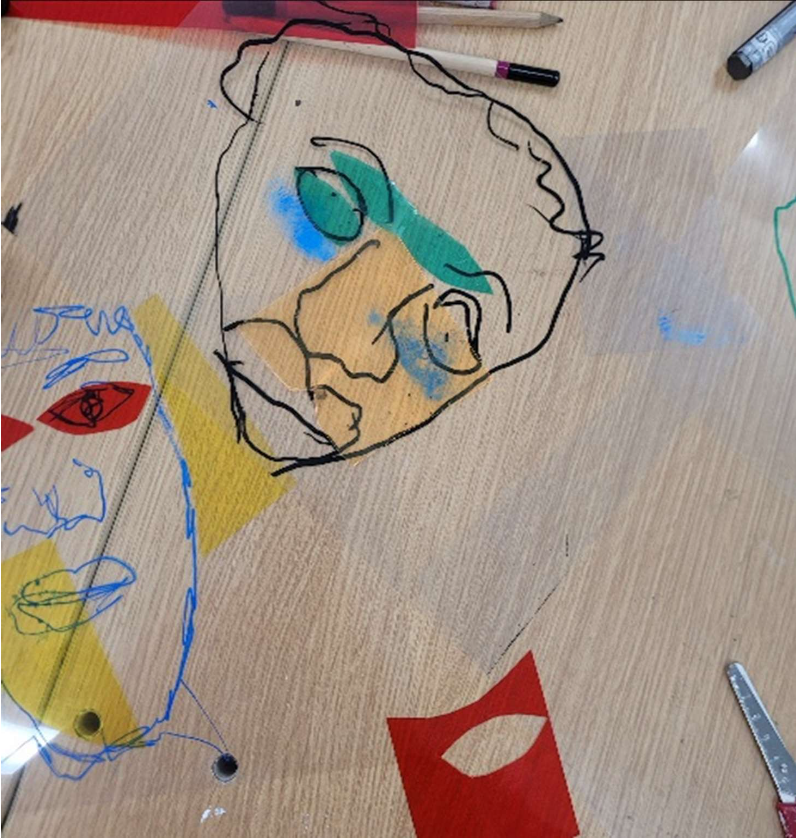
From the end of April until the summer break in July, I worked with groups of Year 7 and Year 8 students on Mondays. During my time at Haberdashers’, I explored a variety of creative techniques and practices with the students. The groups were enthusiastic and eager to engage, relishing the chance to experiment and express their creativity. I followed a similar series of workshops with both year groups. My Year 7 group remained consistent throughout, while the Year 8 group changed slightly over time due to pupil absences. We began by exploring self-portraiture and self-expression, investigating how light can transform or distort our creations. Together, we discussed what self-portraiture means and questioned what a self-portrait could be. Students used acetate and coloured gels to create layered portraits, which we then projected around the room and onto different areas of the building. We experimented with how varying colours, lights, and overlapping images produced different effects. This shift—from drawing to using light as a medium—expanded our understanding of portraiture and inspired the students to play and experiment in new ways.
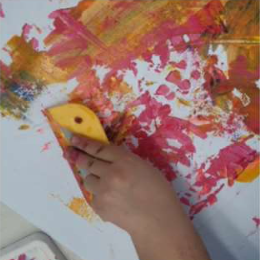
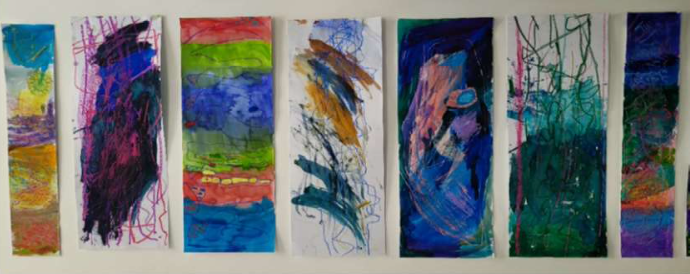
Later in the term, we moved on to mark-making processes, taking inspiration from Zimbabwean artist Portia Zvavahera and the textures and techniques she uses in her work. The students experimented with wax resist, frottage, and guided mark-making, as well as using squeegees and textured tools to create their own expressive paintings.
When the students expressed an interest in doing more drawing, our conversations about pets and animals led us to explore the idea of “thera-pets”—companion animals that offer comfort during times of stress or sadness. Using reference images from books and online sources, the students designed their own ideal thera-pets, many of which combined features from multiple animals. We looked at alebrijes in Mexican culture for inspiration on how to invent new creatures from familiar forms.
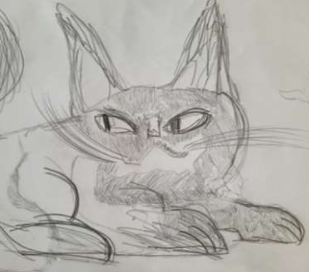
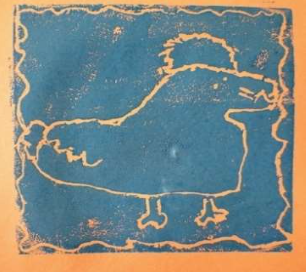
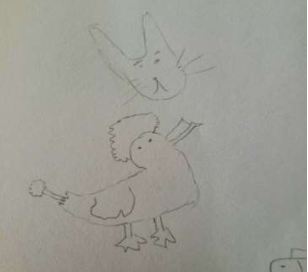
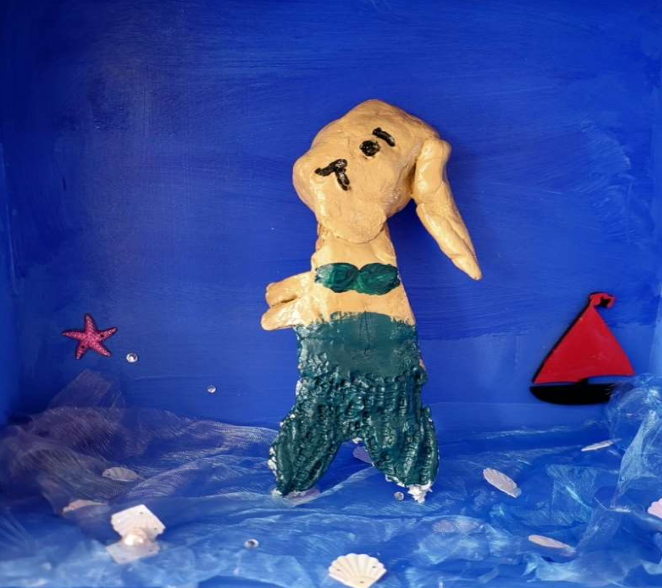
Students first drew their thera-pets, then transformed them into block prints, and finally brought them to life in 3D using air-dry clay. In our final sessions, each student designed a habitat for their thera-pet in a box using paint, collage, and mixed media. Every creation was unique and reflected the individuality of its maker.
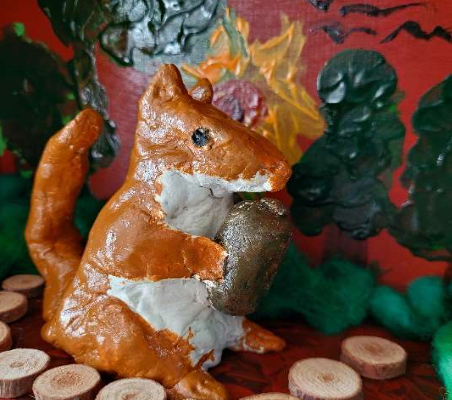
We celebrated the finished thera-pets and their habitats together as a group, recognising the creativity and imagination that each student brought to the project.